Why the Second Chapter Feels Different After Divorce or Loss
The second chapter differs from your first mainly in scale of opportunity. In your twenties you met people constantly without trying — at work, through friends, at whatever you did on weekends. After 45, and especially after a divorce, that machinery stops running. The most common thing men in this position say is not “I cannot get a date.” It is “I do not meet anyone new at all.”
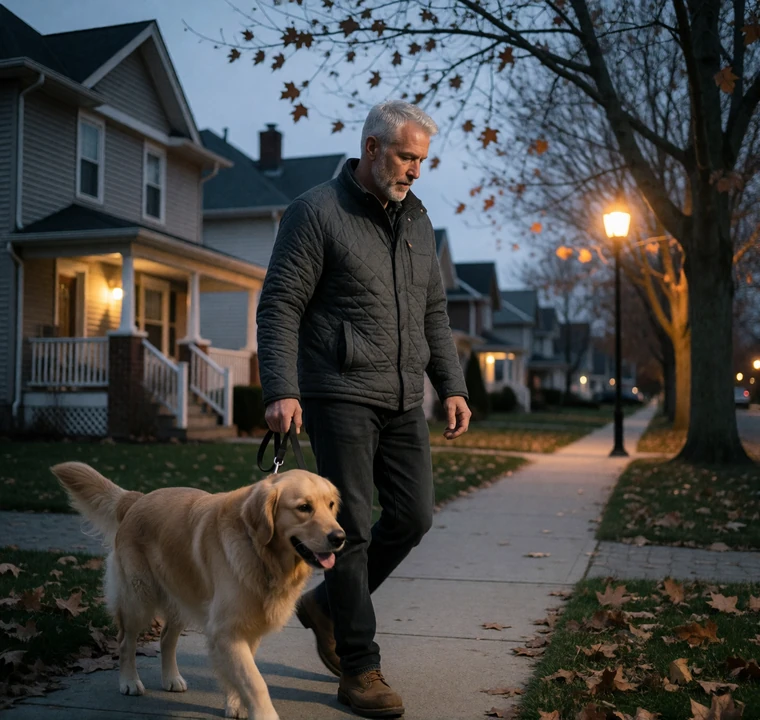
Look at what changed. The couples you socialized with as a married man mostly stayed with your ex-wife, or the invitations simply thinned out. The kids are grown and calling less often, which is exactly what you raised them to do. Work is stable or winding down, and the guys there are twenty years younger with small children at home. You have more free evenings than you have had since you were twenty-two, and almost no one to spend them with.
Here is the thing: that free time is an asset, not a symptom. It is why a long written correspondence with someone six time zones away is actually workable for you and would not be for a thirty-five-year-old with a toddler.
If you lost your wife rather than divorced her, the ground is different and it deserves saying plainly. Grief does not run on a schedule, and no one else gets to tell you when you are ready. Wanting company again is not disloyalty to her memory, and many widowers find they can hold both things at once. Move at whatever pace is honest for you. There is no deadline here.
One more distinction worth naming. Wanting companionship is not the same as wanting to date. Most men over 45 are not looking for variety. They want one person to talk to at the end of the day, someone whose week they know about, someone to plan a trip with. That is a different goal than the mainstream apps are built to serve, and it explains why so many men your age find them exhausting.